
Neoprene Gaskets, Non-Stick Treatment Procedure
Polymer Science Background: Neoprene Chemistry & Peptization
Neoprene, classified as a synthetic elastomer (synthetic rubber) or polychloroprene (CR), possesses good chemical inertness, resists degradation from solar UV radiation, ozone, and harsh marine weather, making it well-suited for hatch sealing profiles.
“Stickiness” and “easily deformed”, well-known properties of natural rubber, are also found in synthetic rubbers. Stickiness is an attribute of elastomeric breakdown, i.e., peptization (softening) associated with chemical and/or mechanical shear during its initial manufacture in order to modify viscosity for profile extrusions.
Maintenance Schedule & Required Supplies
- Applicator: medium cloth or soft sponge
- Buffer: dry, soft lint-free microfiber cloth or shop towel
- Freshwater rinse supply
- High quality, high content Carnauba-based paste or cream wax
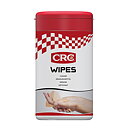
- CRC Silicone Stick for Gaskets (50 ml) (clean, foam-dab precision conditioner)
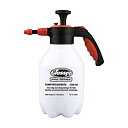
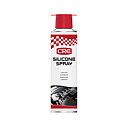
- CRC Silicone Spray for Gaskets (250 ml)
- Environmentally green yacht cleaner or neutral wash (pH 6–8)
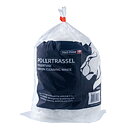
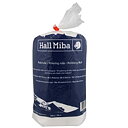
- Hall Miba Lint-Free Polishing Towels
Step-by-Step Procedure
Gasket Preparation & Cleaning
Keeping the gasket clean and protected extends seal performance and lifespan. Prior to any treatment, ensure the Neoprene gasket is CLEAN. Remove surface grime, salt residues, and oxidation using a quality “Environmentally Green” yacht cleaner and fresh water. Dry thoroughly.
Apply Carnauba Wax / Silicone Barrier
Apply a light, uniform coating of high-quality, high-content carnauba wax paste/cream or CRC Silicone Stick to the sealing surface using an applicator cloth or sponge.
Drying Time
Allow the wax coating to dry for approximately 10 minutes until a light haze forms over the elastomer surface.
Buff to a Non-Stick Finish
Buff the gasket with a dry, lint-free cloth to remove residual haze. The gasket surface will feel slick, dry, and completely non-stick.
* Repeat procedure if desired for heavily weathered seals or ahead of severe winter freezing conditions.
Download Non-Stick Procedure as PDF
Official shipboard document (DOC BM-2400-G02) featuring Swedish and English instructions. Tailored for shipboard Planned Maintenance Systems (PMS) and seasonal winterization.