Vickers Oils Stabiliser Lubricants
VGP Compliant Evironmentally Acceptable Lubricants for Stabilisers
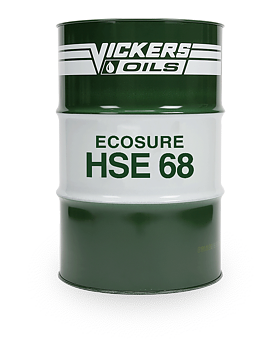
When stabiliser bearings or control systems are located below the waterline and there is a risk of oil leakage to the marine environment, Environmentally Acceptable Lubricants (EALs) must be used under the VGP. Vickers Oils offers two types of VGP compliant EALs for stabiliser applications: emulsifiable bearing lubricants (HYDROX BIO range) for stabiliser bearings, and a hydraulic fluid (ECOSURE HSE 68) for the hydraulic control system. All are based on synthetic esters and are biodegradable and non-toxic.
Bearing Lubricants for Stabiliser Bearings
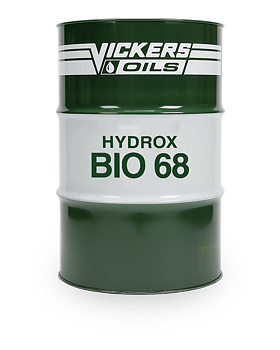
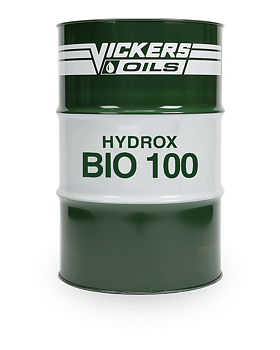
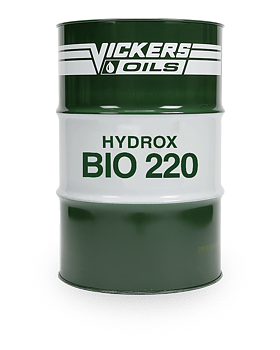
HYDROX BIO 68, 100 and 220 are biodegradable, emulsifiable sterntube lubricants based on synthetic esters, approved for stabiliser bearings. The lubricants absorb sea or fresh water that enters the bearing to form a stable emulsion that maintains lubrication and corrosion protection. HYDROX BIO 68 is the viscosity grade generally recommended by bearing and seal manufacturers for regular running. HYDROX BIO 100 offers improved oil film thickness and HYDROX BIO 220 is primarily used for emergency or short term use in the event of oil leakage, with the ability to reduce leakage by up to 70 percent.
Hydraulic Fluid for Stabiliser Control
ECOSURE HSE 68 is an Environmentally Acceptable Hydraulic Fluid (EAL) based on fully saturated renewable synthetic esters, designed for the hydraulic control system that operates the stabiliser fins. The fluid offers exceptional oxidation stability and long fluid life, and meets the requirements of ISO 15380 (category HEES) and VGP.
Mineral Oil Based Lubricants for Stabilisers
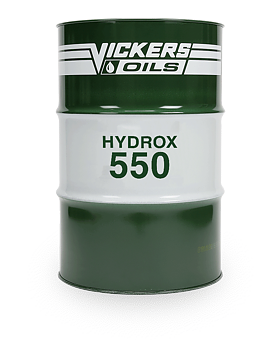
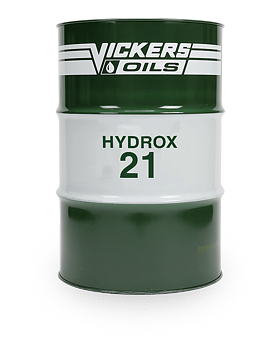
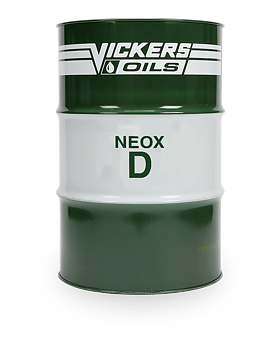
In stabilisers where Environmentally Acceptable Lubricants (EALs) are not required, mineral oil based products can be used. Vickers Oils offers emulsifiable sterntube lubricants (HYDROX 550 and HYDROX 21) for stabiliser bearings, and NEOX D, a high viscosity emulsifiable grease for trunnion bearings on certain older retractable fin stabilisers. All three products are emulsifiable and absorb water to form a stable emulsion that continues to provide lubrication and corrosion protection.
FAQ
A ship stabiliser is a system of hydraulically controlled fins that reduces the rolling of the vessel in seas. Fin stabilisers can be fixed or retractable, and their bearings and control systems are often located below the waterline.
Why are environmentally acceptable lubricants needed in stabilisers?
Stabiliser bearings and control systems are often located below the waterline and there is a risk of oil leakage to the marine environment. Under the US EPA Vessel General Permit (VGP), Environmentally Acceptable Lubricants (EALs) must be used in all equipment below the waterline where oil leakage may occur.
Which lubricant should I choose for my stabiliser bearing?
The choice depends on whether an EAL is required and on the manufacturer specification. If an EAL is required, HYDROX BIO 68 is recommended for regular running, HYDROX BIO 100 for improved oil film thickness, and HYDROX BIO 220 only for emergency or short term use in the event of oil leakage. If an EAL is not required, HYDROX 550 can be used for regular running and HYDROX 21 in the event of oil leakage. For trunnion bearings on older retractable fin stabilisers, NEOX D is recommended.
What is the difference between HYDROX BIO 68 and HYDROX 550?
HYDROX BIO 68 is a biodegradable EAL based on synthetic esters with VGP compliance, while HYDROX 550 is a mineral oil-based lubricant without environmental approval. Both are emulsifiable and of viscosity grade ISO VG 68, but HYDROX BIO 68 has a higher viscosity index (215 vs 100) which provides better performance over a wider temperature range.
When should I use HYDROX BIO 220 or HYDROX 21?
Both are primarily used in the event of oil leakage. HYDROX BIO 220 is an EAL that can reduce leakage by up to 70 percent and is approved for emergency or short term use only. HYDROX 21 is a mineral oil-based lubricant that can be topped up into the existing oil and is particularly effective for outboard leakage. The choice depends on whether an EAL is required.
What makes emulsifiable lubricants particularly suited for stabilisers?
Emulsifiable lubricants absorb sea or fresh water that enters the bearing to form a stable emulsion that continues to provide lubrication and corrosion protection. Conventional oils tend to separate water, which can expose components to free water and increase the risk of wear and corrosion.